If you deal with an itchy, dry, or overly oily scalp, your liquid shampoo might be the silent culprit. Standard commercial shampoos rely on heavy synthetic detergents and sulfates to strip grease, but they also destroy your scalp's natural moisture barrier. Understanding the difference between these synthetic liquids and natural solid shampoo bars can help you restore your hair's natural volume.
The Problem with Commercial Liquid Shampoos
Many people think liquid shampoo is the only way to wash their hair, but bottled formulas contain ingredients that damage your hair health over time.
- Harsh Sulfates: Chemicals like Sodium Lauryl Sulfate (SLS) are industrial degreasers that strip the scalp's natural protection, causing oil glands to overcompensate.
- High Water Content: Liquid shampoos are mostly water, requiring chemical preservatives and parabens to prevent bacteria growth.
- Silicones and Residue: Cheap silicones are added to coat the hair shaft to make it look shiny, but they build up on the scalp, clogging hair follicles and causing itchiness.
The Science of Amino Acids for Scalp Health
Amino acids are the physical building blocks of keratin, the protein that makes up your hair. Using them in your wash routine supports your scalp's natural structure.
pH 5.5: The Magic Number for Hair
Your scalp has a natural acidic protective layer called the acid mantle, which sits at a pH of around 5.5.
- Traditional soap bars and many commercial shampoos are highly alkaline (pH 8 to 10), which swells the hair cuticle and causes frizz and static.
- Our amino acid shampoo bars are specifically formulated at pH 5.5 to match your skin's natural state.
- This acidity keeps the hair cuticle smooth, locking in natural moisture and color without stripping.
Gentle Amino Acid Surfactants
Instead of sulfates, we use coconut-derived amino acid surfactants (such as Sodium Cocoyl Glutamate).
- These surfactants gently lift away dirt and excess sebum without penetrating or damaging the living skin cells underneath.
- They rinse away completely clean with zero sticky film, reducing scalp oiliness and flaking.
- Because they do not require plastic packaging or heavy water diluents, they are highly concentrated and last up to three times longer than a standard plastic bottle.
Shampoo Comparison: Amino Acid Bar vs. Liquid vs. Soap-Base Bar
Let's examine how these different hair care options affect your scalp and environment.
| Feature | Amino Acid Shampoo Bar | Commercial Liquid Shampoo | Soap-Base Shampoo Bar |
|---|---|---|---|
| pH Level | Balanced (5.5) | Alkaline or Variable (6.5 - 8.0) | Highly Alkaline (9.0 - 10.0) |
| Cleansing Agent | Coconut-derived amino acids | Harsh Sulfates (SLS / SLES) | Saponified oils (requires lye) |
| Scalp Irritation Risk | Extremely Low (Gentle) | High (Drying & stripping) | Moderate-High (Causes wax buildup) |
| Environmental Impact | Eco-friendly, zero-waste | Heavy plastic waste, high carbon footprint | Eco-friendly, zero-waste |
How to Use a Solid Shampoo Bar for Voluminous Hair
Using a solid bar is easy, but it requires a slightly different approach than liquid washes to get the best fluffy, voluminous result.
- Wet Your Hair Thoroughly: Make sure your hair is soaking wet before applying the bar. This helps create a rich, creamy lather quickly.
- Swipe directly or lather in hands: Gently swipe the wet bar from roots to tips 3 to 4 times, or rub the bar between your wet hands to build up foam, then massage into your scalp.
- Rinse and Store Dry: Rinse your hair thoroughly. Always store your bar on a draining soap dish in a well-ventilated spot to keep it hard and dry between uses.
Upgrade to a Healthy Scalp
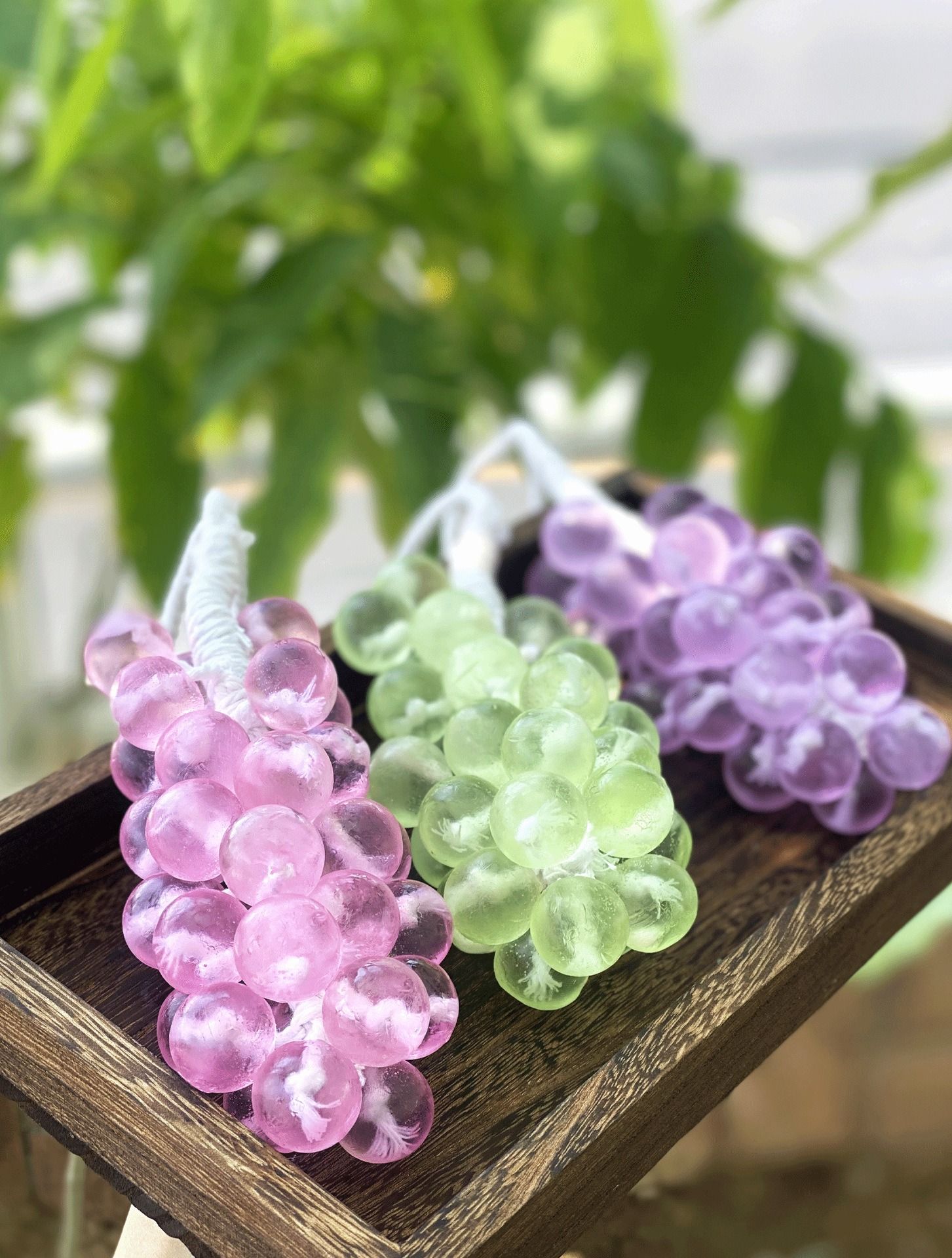
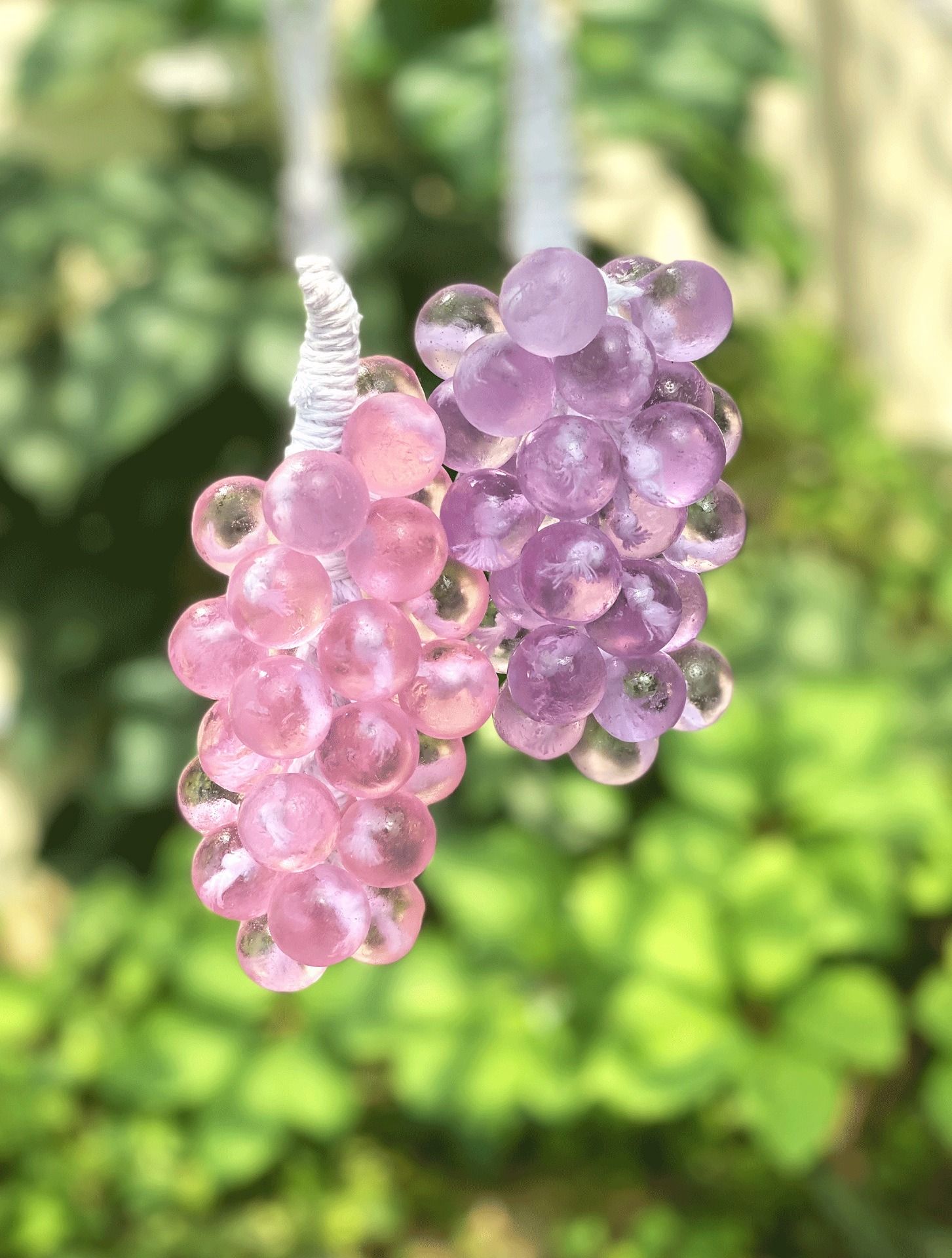
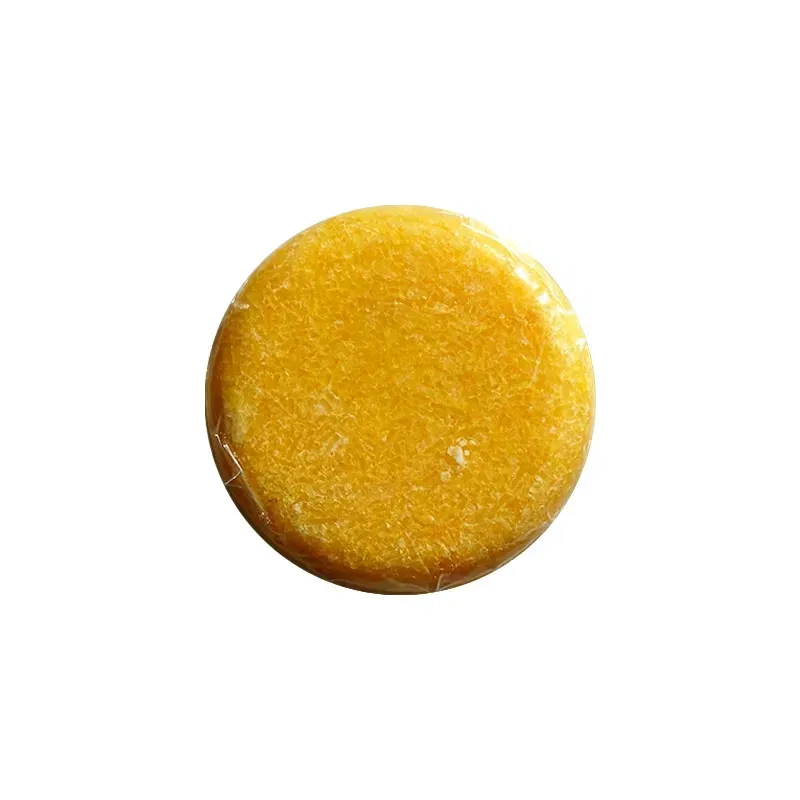
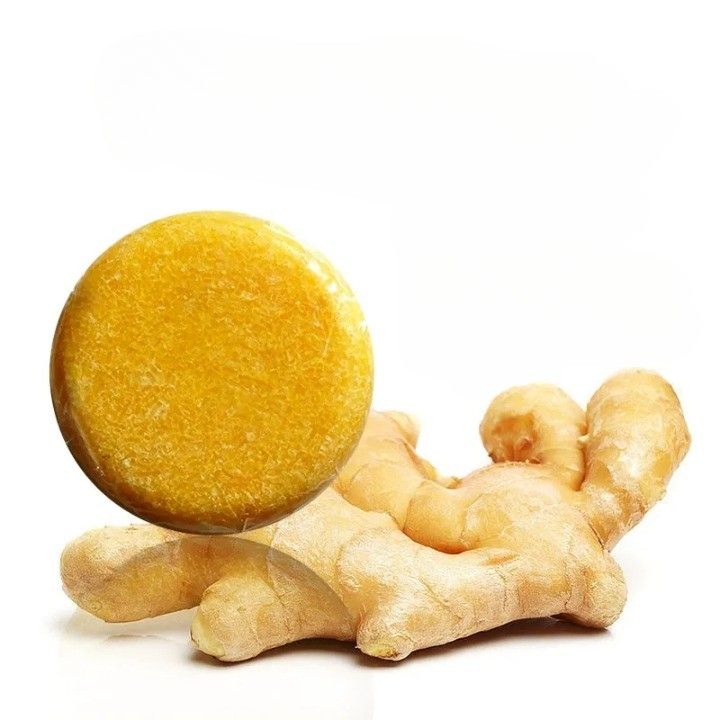
At Amisoap, we formulate our handmade shampoo bars to address specific hair concerns. Our Rose & Ginseng bar nourishes dry locks, while our herbal extract bars balance oily roots without leaving heavy buildup. It is time to stop stripping your scalp with harsh chemicals. Protect your hair's natural environment and switch to a pH-balanced, solid amino acid wash today.