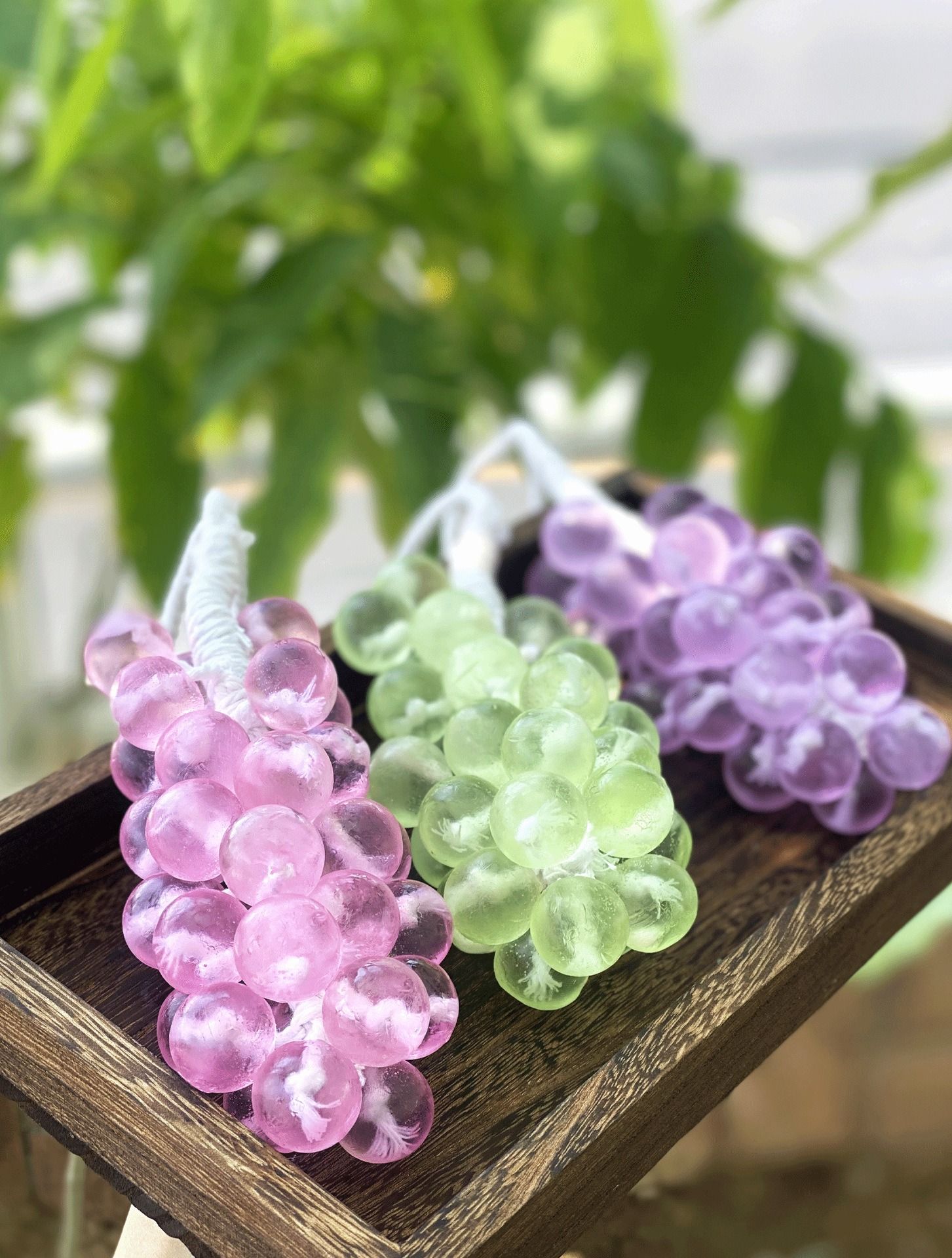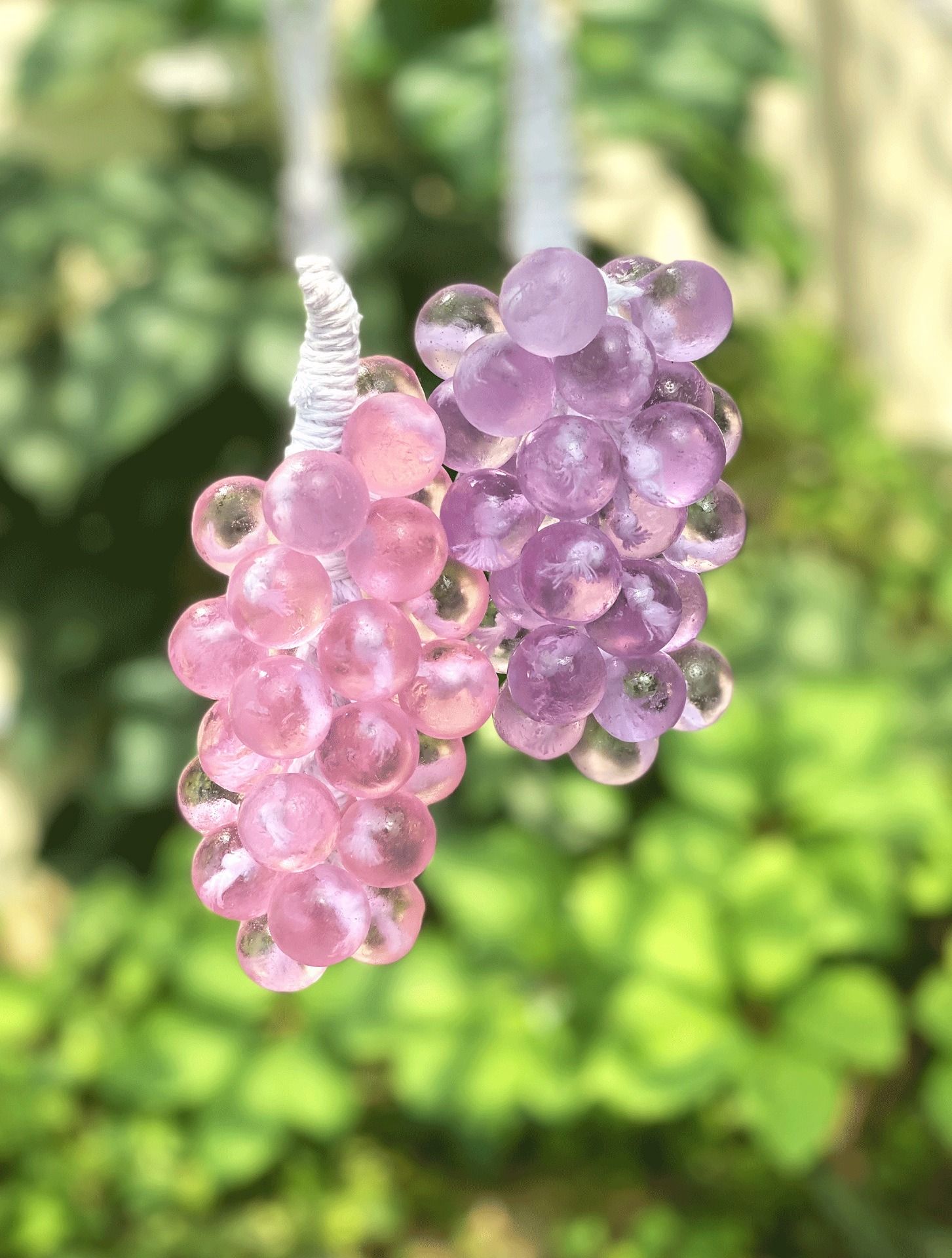
Investing in high-quality, cold-process handmade soap is a beautiful step toward healthier, more nourished skin. Whether you chose a rich goat milk formula for sensitive skin or an amino acid-infused bar to soothe eczema, transitioning from commercial detergent bars to genuine natural soap can sometimes bring a few surprises.
If your premium soap suddenly feels softer than usual, develops a white powdery layer, or lathers differently than commercial soap, you might worry that your bar is defective or ruined.
Fortunately, these behaviors are actually indicators of a high-quality, truly natural product[1][2][3]. This troubleshooting guide outlines the three most common natural soap issues, explains the science behind them, and shows you how to easily fix or prevent them at home.
Issue 1: The Soap is Soft, Mushy, or Melting Quickly
One of the most frequent surprises for new users of cold-process soap is how quickly it can soften or dissolve if left in standing water.
Common Causes:
Rich Natural Glycerin: Commercial soap manufacturers extract natural glycerin (a powerful humectant that draws moisture to the skin) to sell separately in lotions. True handmade soaps, like those crafted by Ami Soap, retain 100% of their natural glycerin[1][3]. Because glycerin attracts water, it will continuously draw moisture from the air and puddles, making the bar soft.
No Synthetic Hardeners: Mass-produced bars contain chemical hardening agents to make them last indefinitely, even in wet environments. Natural soaps rely solely on the natural properties of their plant oils and fats to cure, making them inherently more delicate[1][3].
How to Diagnose and Fix It:
Ensure High-Dry Drainage: Never let your handmade soap sit in a flat, solid soap dish where water pools. Switch to a well-draining wooden slate dish, a silicone dish with raised ridges, or a magnetic soap holder.
Alternate Your Bars: If you shower multiple times a day, consider alternating between two different bars. This gives each bar a full 24 hours to dry out completely and harden up again between uses.
Keep It Away from the Shower Stream: Store your soap dish in a dry corner of your bathroom, away from the direct spray of the showerhead.
Issue 2: There is a White, Powdery Film on My Soap
Sometimes, a freshly opened or curing bar of natural soap will develop a fine, white, powdery dust on its surface. Many users panic, thinking it is mold or chemical residue.
Common Causes:
Soda Ash (Sodium Carbonate): This is a completely harmless, natural byproduct of the soap-making process. It occurs when active lye (sodium hydroxide) on the outer surface of the soap comes into contact with carbon dioxide in the air during the curing phase. It does not affect the safety, mildness, or quality of the soap.
How to Diagnose and Fix It:
The Water Test: Simply rinse the bar under warm water and rub it gently. Soda ash dissolves instantly upon first use, leaving you with a smooth, glossy bar of soap underneath.
Steam Treatment (For Gifting): If you are gifting a bar and want it to look pristine, you can gently hold the bar over a steam source (like a garment steamer or a boiling kettle) for a few seconds. The moisture will dissolve the ash and restore the soap's vibrant natural color.
Store Correctly: Keep unused soap bars in a cool, dry, and well-ventilated space. Avoid storing them in damp, airtight plastic containers, which trap humidity and encourage soda ash formation.
Issue 3: The Soap Doesn't Bubbling or Lather Like Commercial Bars
If you are used to the thick, puffy, foam-dome bubbles of commercial shower gels, you might feel like your natural soap isn't "cleaning" because its lather feels more creamy than bubbly.
Common Causes:
No Synthetic Sulfates: Commercial body washes and detergent bars rely on cheap, synthetic foaming agents like Sodium Lauryl Sulfate (SLS) or Sodium Laureth Sulfate (SLES) to create large bubbles[2]. However, these chemicals strip the skin’s natural lipid barrier, causing the dryness and tightness often associated with sensitive skin and eczema[2][3].
High Concentration of Skin-Loving Fats: Formulating with moisturizing ingredients like fresh goat milk, olive oil, and silk proteins creates a rich, lotion-like micro-lather designed to nourish rather than strip[1][4].
How to Diagnose and Fix It:
Use a Soap Saver Bag or Mesh Pouf: If you prefer big bubbles, place your soap bar inside a sisal/ramie soap-saver bag or rub it against a mesh shower pouf. These textures trap air and water, instantly transforming a creamy lather into a rich, pillowy foam.
Adjust Your Water Temperature: Warm water helps dissolve the natural oils in the soap more easily, yielding a more robust lather compared to cold water.
Appreciate the Creamy Difference: Understand that a dense, lotion-like lather is actually superior for skin health[3]. It lifts away dirt while leaving your skin feeling soft, calm, and naturally moisturized[3].
Summary Troubleshooting Checklist for Natural Soap Care
To get the absolute best performance and longevity out of your natural, cold-process soap, keep this simple care routine in mind:
| Action | Why It Works | Target Issue |
| Elevated Drainage | Allows air to circulate around the entire bar, letting it dry completely. | Softening & fast melting |
| Warm Water Rinse | Instantly dissolves superficial sodium carbonate without wasting the bar. | White powdery film (Soda Ash) |
| Use a Soap Bag | Mechanically aerates the gentle oils to generate luxurious, fluffy bubbles. | Low lather or foam |
| Proper Storage | Keeps bars in dry, breathable spaces before first use. | Excess humidity & soda ash |
By adopting these simple, gentle habits, you protect the nourishing ingredients in your soap and ensure that every wash remains a truly therapeutic, skin-restoring ritual[5].