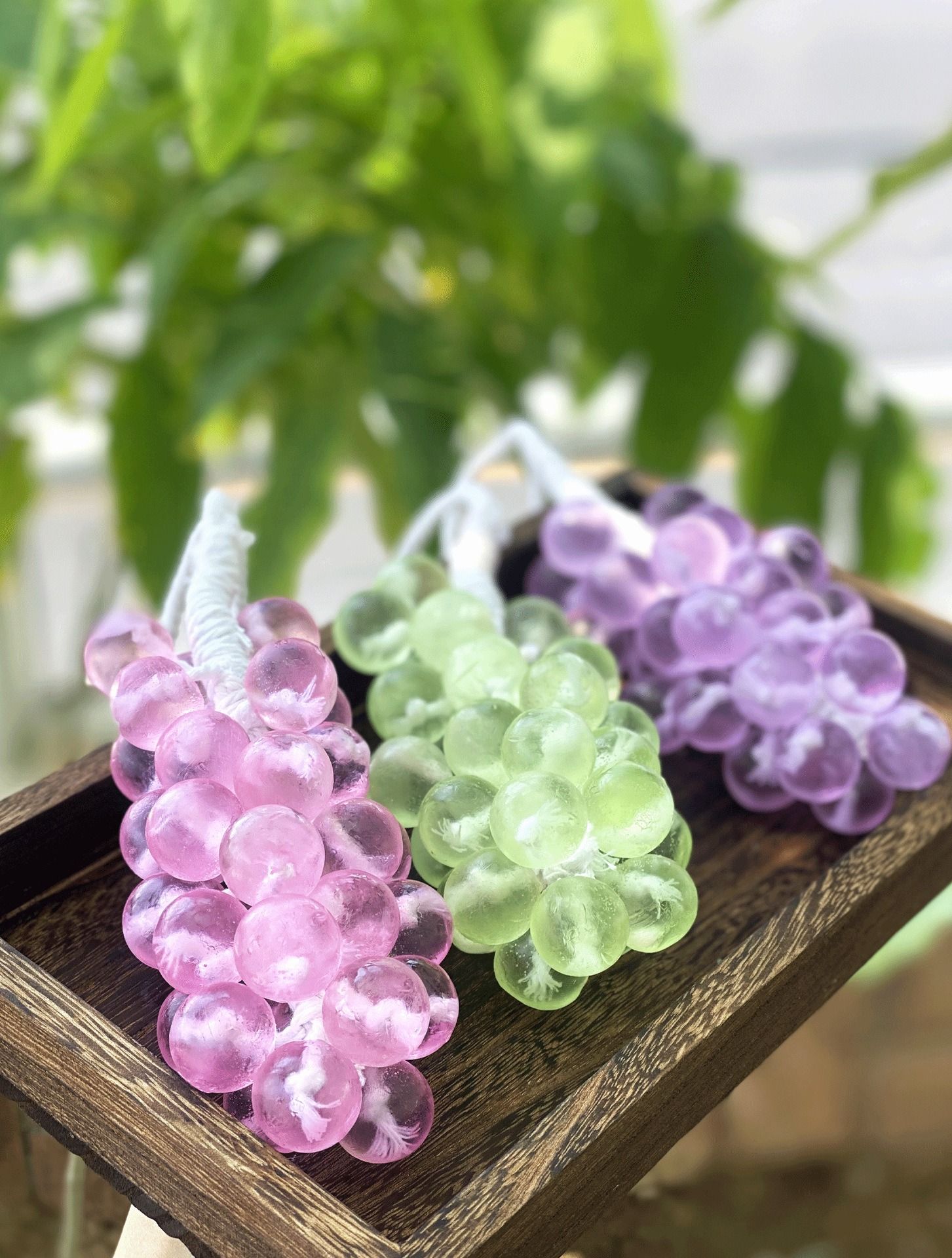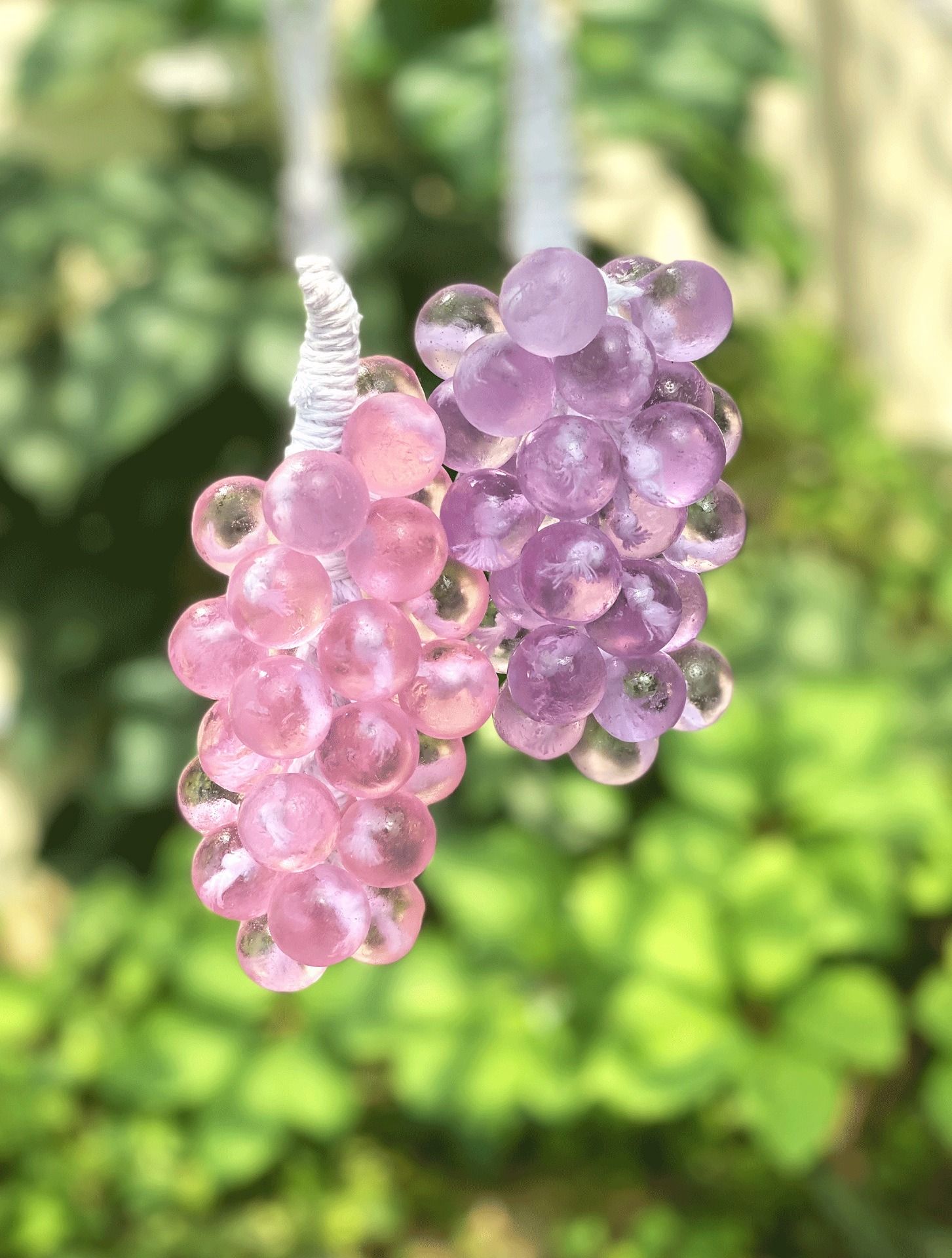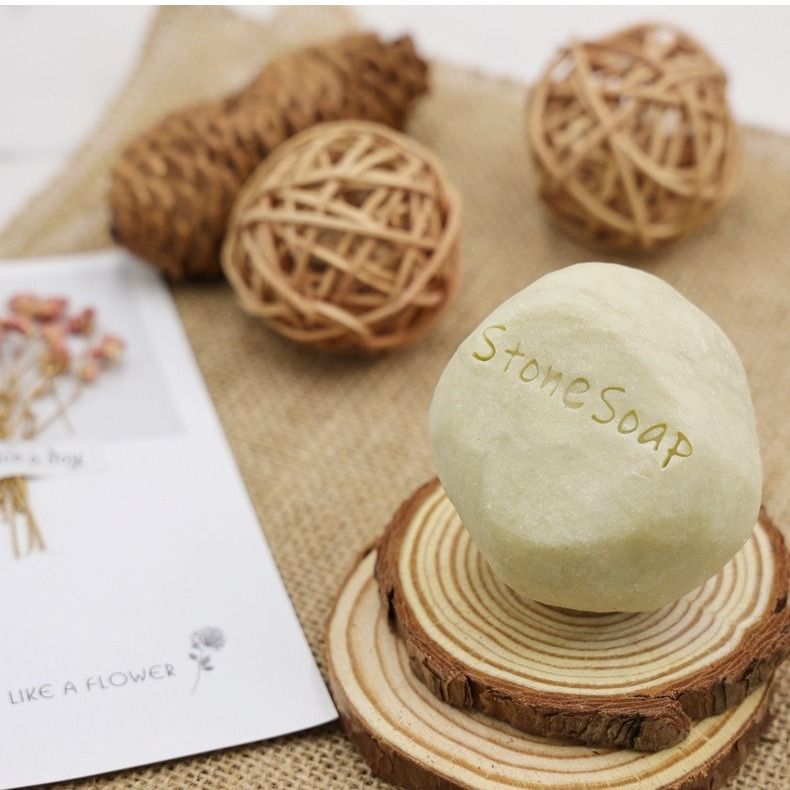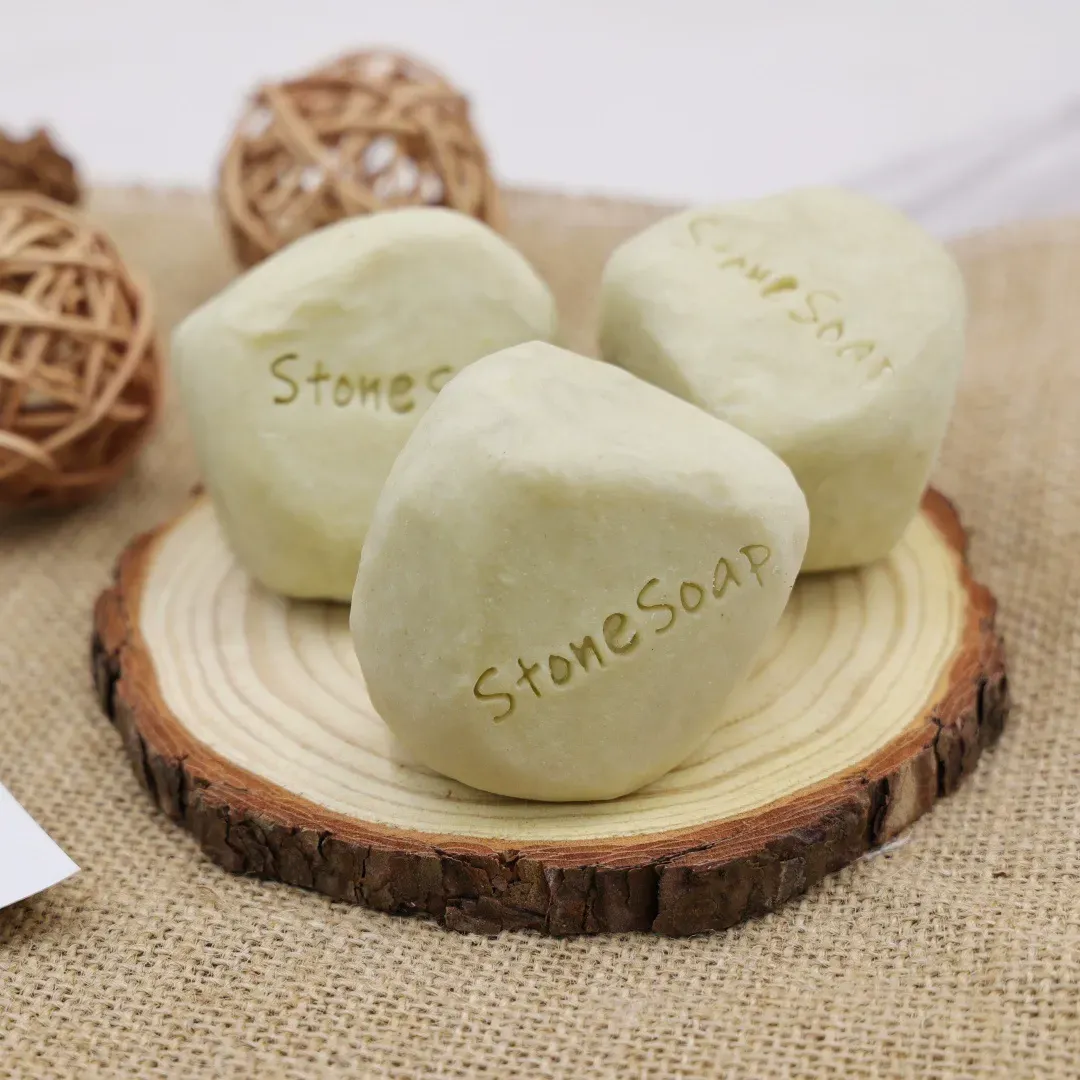
For thousands of years, silk has been prized for its luxurious feel. But its benefits extend far beyond high-end fabrics; natural silk contains powerful proteins that can transform your daily skincare routine.
If you are tired of dry, tight skin after cleansing, exploring silk protein soap might be the answer. Let's look at the science behind this traditional ingredient and how it can help you achieve soft, healthy-looking skin.
What is Silk Protein Soap?
Unlike standard soaps that rely purely on vegetable oils and lye, silk protein soap is infused with hydrolyzed silk fibers or natural silk cocoon extracts during the soapmaking process.
At Ami Soap, our handcrafted Tawfiq Silk Soap series is created using a specialized low-temperature cold process (around 50°C/122°F). This careful process prevents high heat from destroying the active nutrients and amino acids found in the silk, ensuring your skin receives the maximum benefits of this premium ingredient.
The Core Benefits of Silk Protein Soap
The science of silk protein is well-established. When applied to your skin, the active proteins deliver three major skin-loving benefits.
Deep Moisture Without Clogged Pores
Sericin, the outer protein of the silk cocoon, acts as a natural humectant. It draws moisture from the air and locks it against your skin, forming a thin conditioning layer after rinsing that keeps you feeling hydrated without any heavy, greasy residue.
18 Natural Amino Acids
Silk protein contains 18 essential amino acids that share a similar molecular structure with our own skin tissues. These amino acids are easily absorbed, helping to repair and strengthen your natural skin barrier over time.
Anti-Aging and Elasticity Support
Scientific studies show that sericin helps support collagen production, which is responsible for keeping skin firm and supple. Regular use can lead to measurable improvements in skin elasticity and a reduction in the appearance of fine lines.
Comparison: Silk Protein vs. Goat Milk vs. Traditional Soap
To help you choose the right cleansing bar for your daily routine, here is a direct comparison of different soap types and how they affect your skin.
| Feature | Silk Protein Soap (Ami Soap) | Natural Goat Milk Soap (Ami Soap) | Traditional Mass-Market Soap |
|---|---|---|---|
| Active Ingredient | Hydrolyzed Silk Protein (Sericin/Fibroin) | Raw Goat Milk (Lactic Acid & Lipids) | Synthetic Surfactants & Harsh Sulfates |
| Primary Benefit | Boosts skin elasticity, repairs barrier, anti-aging. | Deeply hydrates and provides very gentle exfoliation. | Strong grease removal; can strip protective oils. |
| Lather Texture | Silky, cushioned, fine micro-bubbles. | Rich, dense, and ultra-creamy. | Foamy, airy, and highly soapy. |
| Best For | Dullness, fine lines, and combination skin. | Chronic dry skin, eczema, and extreme sensitivity. | Normal, non-sensitive, or highly oily skin. |
How to Use Silk Protein Soap for Best Results
Because natural artisan soap contains zero chemical binding agents, using a few simple tips will help you get the most out of every bar:
- Use a Foaming Net: Place your silk soap bar inside a mesh foaming net, add water, and gently rub to generate a thick, pillowy cloud of micro-bubbles with very little product.
- Massage Gently: Work the rich lather onto your face or body in circular motions, allowing the active amino acids to contact your skin for 30 to 60 seconds before rinsing.
- Keep it Dry: Store your soap on a draining wooden soap dish or hang it up in the mesh net between uses to keep the bar hard and long-lasting.
By moving away from harsh synthetic detergents, you give your skin the natural care it deserves. Discover the luxurious, silky feel of our handcrafted Tawfiq Silk Soap and reveal your natural, healthy glow today.