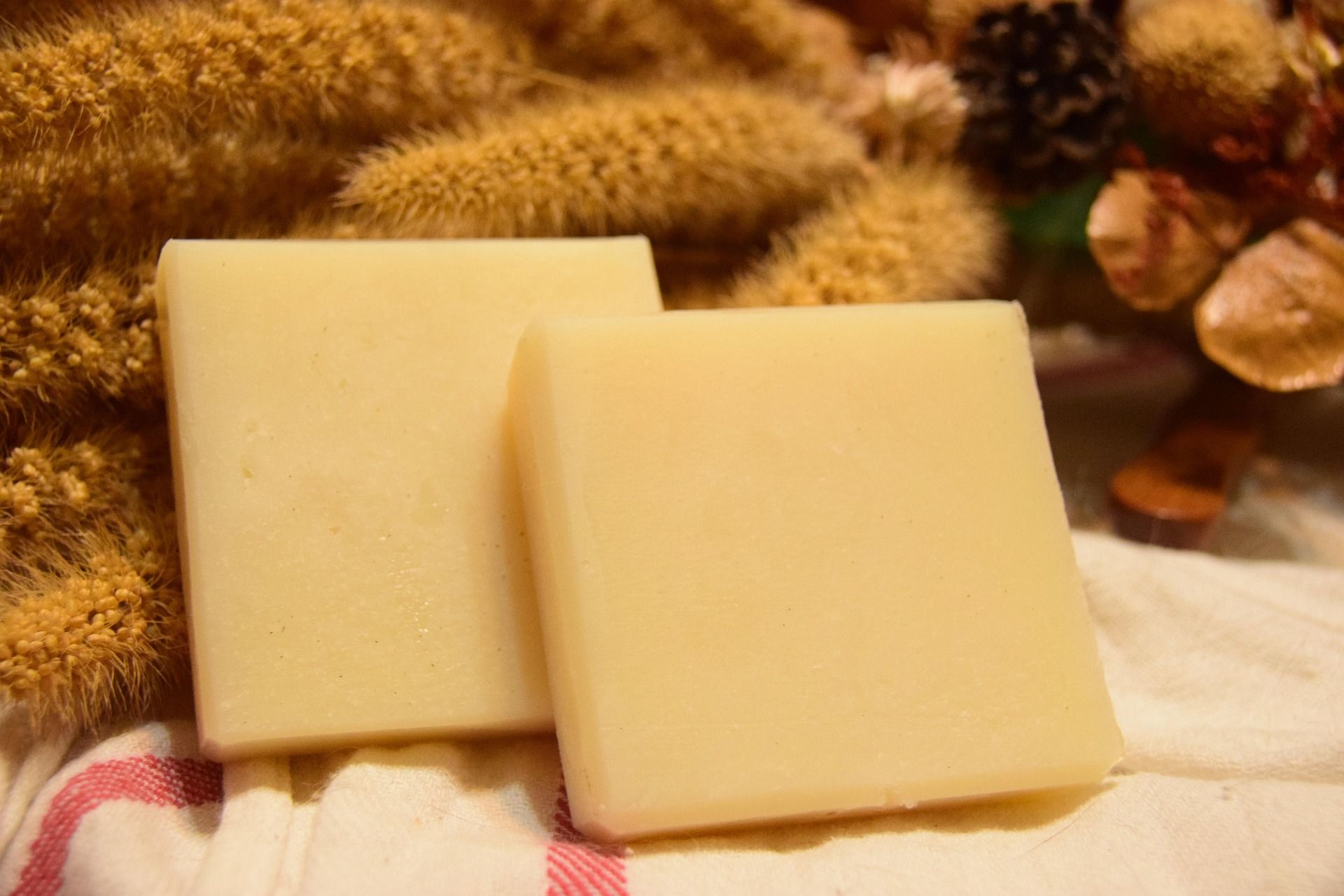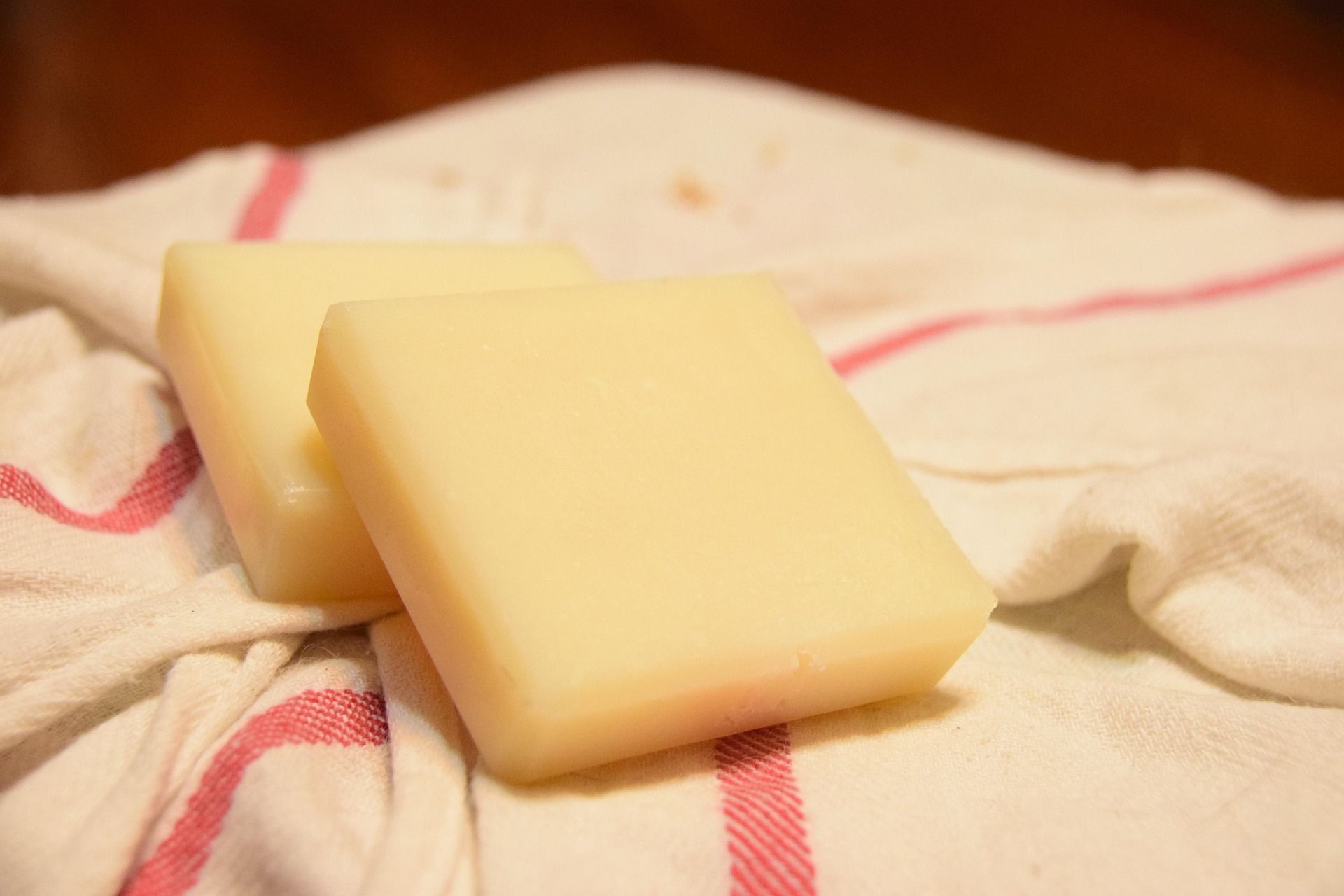
You just received a fresh, creamy bar of handcrafted goat milk soap. You use it in the shower, love how soft it leaves your skin, but then notice it seems to be shrinking much faster than the old commercial bars you used to buy. It is a common source of frustration for newcomers to natural skincare.
The truth is, natural soap requires a little extra care because of how it is made. Fortunately, you do not have to watch your premium soap wash down the drain. With a few basic storage adjustments, you can easily double the lifespan of your favorite bars.
How do you make handmade soap last longer? To maximize the life of handmade goat milk soap, keep it completely dry between uses. Store the soap on a self-draining, slatted wooden dish away from direct water spray, or hang it in a sisal soap pouch. Letting air circulate around all sides of the bar stops it from dissolving prematurely.
Why Does Handmade Soap Melt Faster Than Commercial Bars?
To understand how to protect your soap, it helps to know why it behaves this way. Commercial soap bars are not actually real soap—they are synthetic detergents. During industrial production, manufacturers strip out the natural glycerin to sell it for use in high-end lotions and moisturizers. They also add synthetic chemical hardeners to make the bar last as long as possible under water.
In contrast, cold-process handmade soap retains 100% of its natural glycerin. Glycerin is a humectant, meaning it actively draws moisture from the air and water to hydrate your skin. Because of this, handmade soap is naturally softer and will continuously absorb moisture if left in a damp environment.
- High Glycerin Content: Draws moisture to your skin, but also attracts standing water in the shower.
- No Synthetic Hardeners: Free from petroleum-based hardeners that prevent soap from dissolving.
- Superfatted for Moisture: Contains leftover nourishing oils that keep the bar gentle but make it physically softer.
The Best and Worst Ways to Store Handmade Soap
Not all soap dishes are created equal. The surface where your soap rests between showers makes the biggest difference in how long that bar will last.
Wooden Slatted Soap Dishes (Our Top Recommendation)
We highly recommend using a wooden soap dish with deep slats. Wood species like cedar, bamboo, or beech are naturally water-resistant and allow excess water to drain away instantly. The raised slats keep the soap bar elevated, allowing air to circulate underneath so the bottom of the bar dries just as fast as the top.
Sisal Soap Saver Bags (Great for Exfoliation and Drying)
A sisal or ramie soap pouch is another excellent tool. You place the soap inside the bag, use it directly on your skin to wash and exfoliate, and then hang the bag by its drawstring to dry. Since the soap hangs in the air, it dries quickly from all angles without sticking to a flat surface.
Plastic Trays and Shower Ledges (Avoid These)
We advise against placing your natural soap directly on a built-in shower ledge or in a solid plastic soap dish. These spots hold pools of water. When handmade soap sits in a puddle, it acts like a sponge, drawing in the water and turning into a soft, jelly-like paste overnight.
Comparing Soap Storage Methods
To help you decide on the best storage setup for your bathroom, here is a quick comparison of the most common options:
| Storage Method | Drying Efficiency | Longevity Rating | Best For |
|---|---|---|---|
| Slatted Wooden Dish | Excellent | High | Daily face and body bars on countertops or open shelves. |
| Sisal Soap Saver Bag | Excellent | High | Hanging in the shower and using up small soap scraps. |
| Ceramic Self-Draining Dish | Good | Moderate | Hand wash stations with a direct run-off path into the sink. |
| Flat Plastic/Ceramic Tray | Poor | Low | Not recommended for natural soaps (traps water). |
| Shower Ledge / Built-in Niche | Very Poor | Very Low | Not recommended (constantly exposed to spray and humidity). |
3 Simple Habits to Extend the Life of Your Soap Bar
If you want to get the most out of every purchase, changing a few daily habits can make a massive difference.
1. Cut the Soap Bar in Half
Before bringing a new bar of goat milk soap into the shower, use a smooth kitchen knife to cut it in half. Take only one half into the shower and store the other half in a dry place. This simple trick reduces the amount of soap surface area exposed to humidity at any given time, saving you money.
2. Move the Soap Away from the Shower Stream
Where you place your soap dish inside the shower matters. Keep your soap dish away from the direct spray of the showerhead and outside of splashing range. Placing the dish on a high shelf or on the opposite end of the tub will prevent water from constantly wearing down the bar while you wash.
3. Rotate Between Two Soap Bars
If you take multiple showers a day or share a bathroom with family members, one soap bar rarely has enough time to dry out completely. Try rotating between two different bars. Letting one bar rest and dry out for 24 to 48 hours restores its structural integrity, making it wear down much slower when you use it again.
How to Store Unused Soap Bars Long-Term
If you stock up on multiple bars during a sale, how you store them before their first use is equally important. Keep them in a cool, dark, and dry environment.
Do not store raw, handmade soaps in airtight plastic bags or wrap them tightly in plastic wrap. Because they contain real moisture, wrapping them in airtight materials can trap moisture inside, causing the oils to spoil or ruining the scent profile.
Instead, keep your spare bars in cardboard boxes, paper wrapping, or tucked inside your linen closet. The soap will act as a natural sachet, making your towels and sheets smell clean while allowing the soap to continue curing and hardening over time.
Treating your skin to natural, handcrafted goat milk soap is a wonderful investment in your overall skin health. By giving your soap a dry place to rest, you can enjoy its rich, creamy lather for many weeks to come.