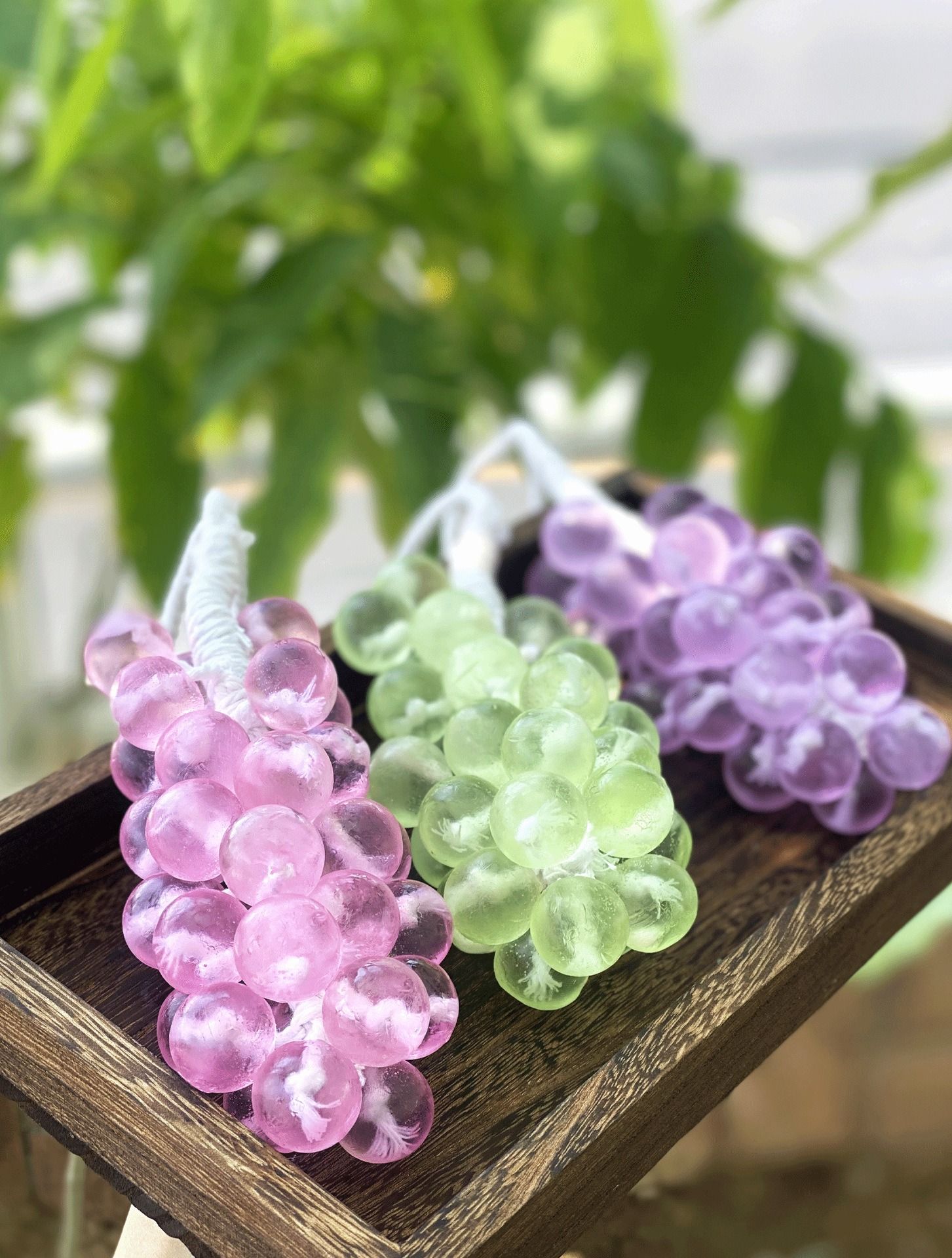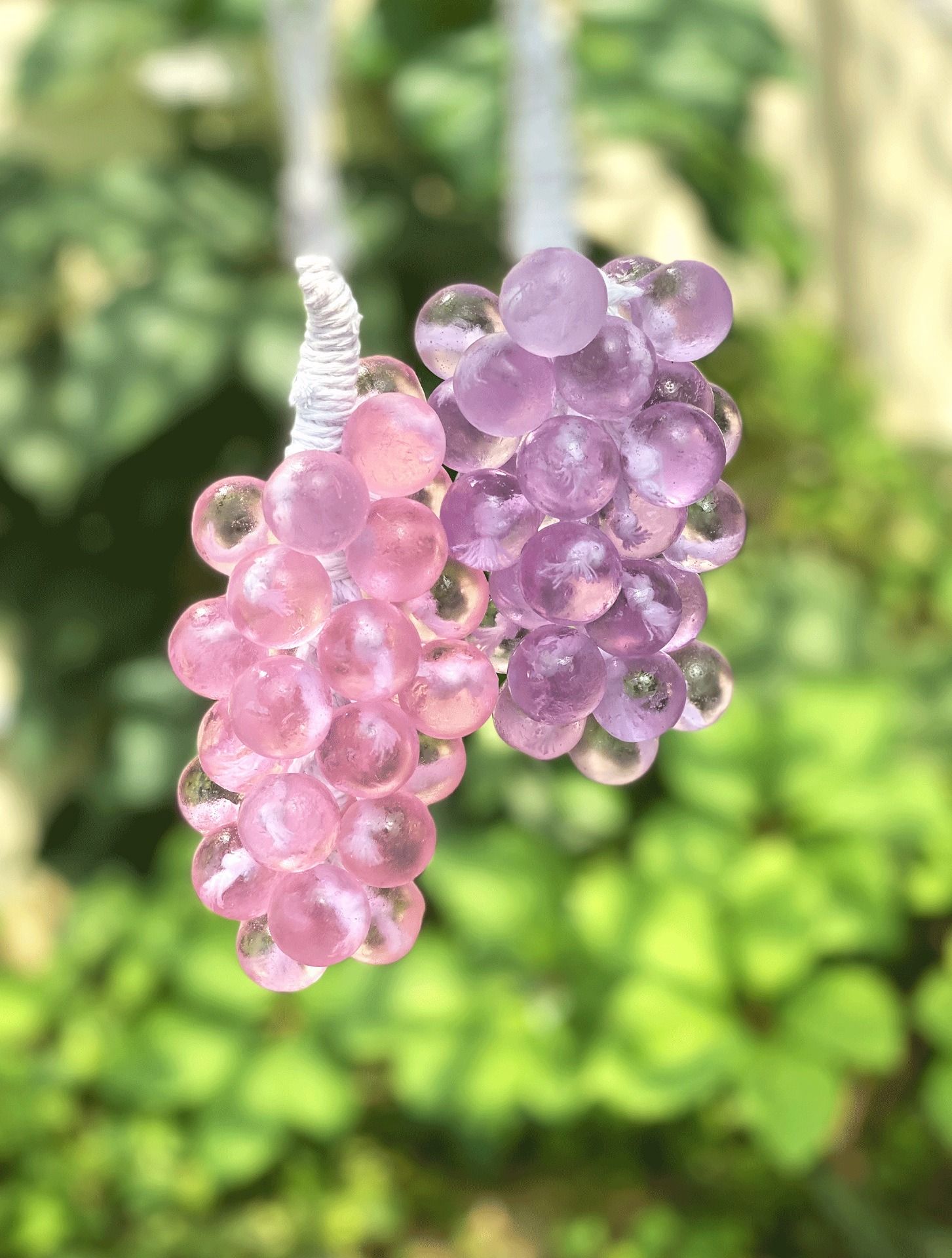
In the world of skincare, the moisture barrier is known as the "city wall" of skin health. When this barrier is compromised, the skin becomes sensitive, dry, and even inflamed. Traditional body washes and some commercial soaps often damage this barrier with harsh detergents.
Today, we will focus on cold process soap—an ancient yet natural cleansing method. We'll explore how its precise formulation and unique process (process soap) make it the ultimate deep moisturizing soap for restoring dry skin.
I. 🧪 Cold Process Soap: The Natural Nourishment Process (Process Soap)
Cold process soap is a soap-making method that avoids external heat to accelerate the saponification reaction. It is this slow process (process soap) that ensures the final product is gentle and moisturizing.
Precise Lye and Water Mixing: The first step in making handmade soap is dissolving lye and water (sodium hydroxide in water). Accurate proportioning is crucial for ensuring the gentleness of the final bar of soap.
Oil Selection: Quality cold process soap uses natural, nutrient-rich oils. Common classic oil formulas include:
Olive oil: Highly moisturizing and gentle for dry skin.
Coconut oil: Provides rich lather and excellent cleansing power.
Palm oil: Lends hardness and longevity to the bar of soap.
Natural Saponification: Oils are mixed with the lye and water solution to undergo a chemical reaction (saponification). After the reaction, the soap needs a curing period of several weeks.
Retaining Natural Glycerin: Unlike industrialized soaps, the cold process retains the natural glycerin produced during saponification. Glycerin is a potent humectant, essential for maintaining the moisture barrier.
II. 💧 Deep Moisturizing Soap: How It Fixes the Moisture Barrier
A premium deep moisturizing soap offers benefits to dry skin that go far beyond ordinary cleansers:
Glycerin Protection: The natural glycerin retained in handmade soap attracts and locks in moisture, nourishing the moisture barrier.
Gentle and Non-Stripping: Cold process soap is typically "superfatted" (meaning extra oil is added that does not fully react with the lye). This ensures the bar of soap doesn't completely strip the skin's natural oils, minimizing damage to the moisture barrier.
Natural Aromatics: The often-added essential oil not only provides a pleasant scent but certain essential oils (like lavender, tea tree) also have soothing and anti-inflammatory properties.
III. ⏳ From Making to Use: The Skin Feeling After 24 Hours
A high-quality cold process soap requires several weeks of curing before it is ready for use. And after you start using it, you can feel the difference in as little as 24 hours:
Say Goodbye to Tightness: Many are accustomed to the slightly slippery residue from body washes or the tight skin feeling from ordinary bar of soap. But after using deep moisturizing soap, your skin feeling will be soft, smooth, and comfortable.
Improving Dryness: Consistent use of handmade soap containing moisturizing ingredients like olive oil and lanolin can fundamentally help the skin repair the damaged moisture barrier, gradually improving the symptoms associated with your specific skin type, especially dry skin.
Choosing cold process soap is choosing a more natural, gentler way to care for your skin type, particularly sensitive and dry skin.
Would you like me to search for some beginner cold process soap recipes, or perhaps suggestions for essential oil pairings in handmade soap?