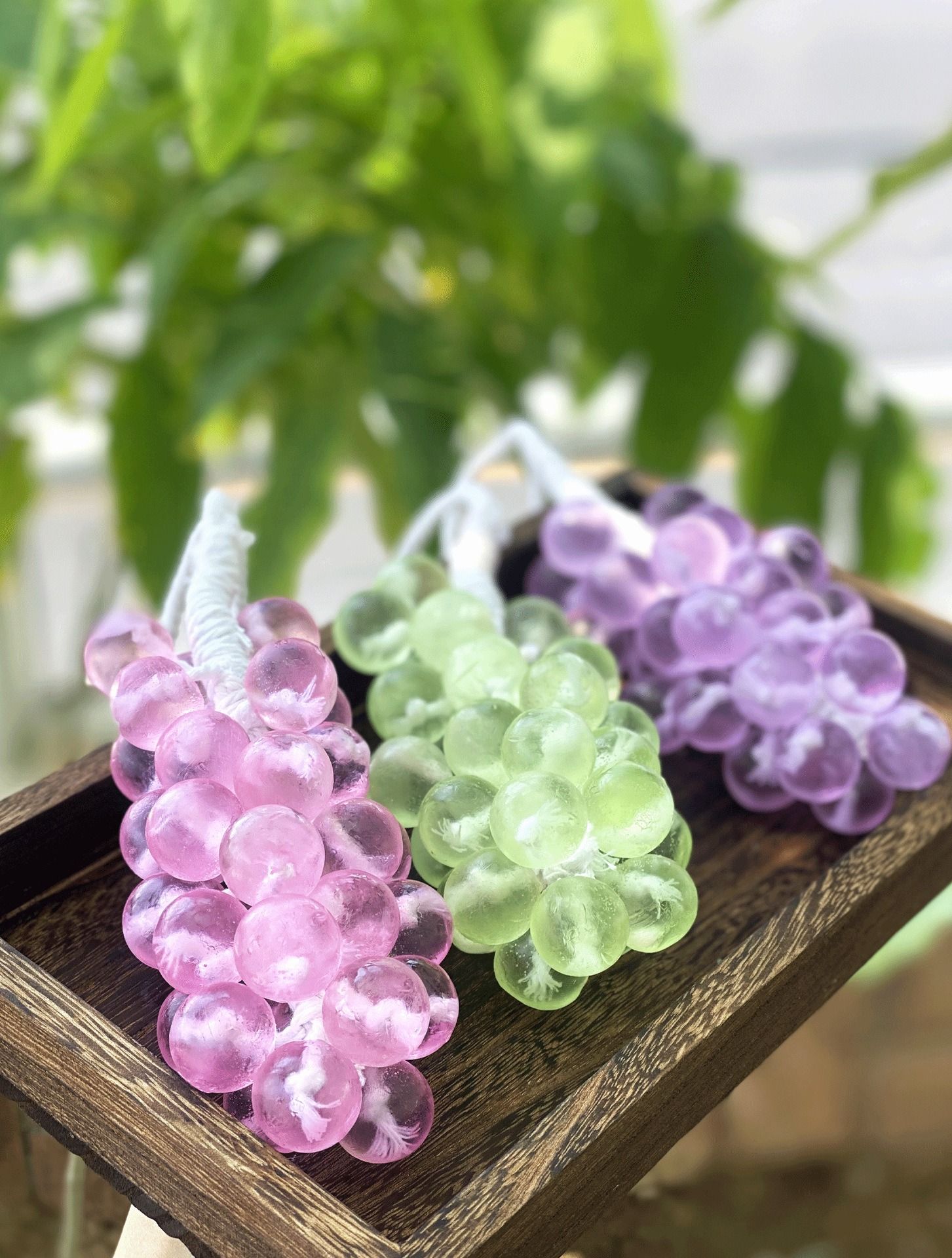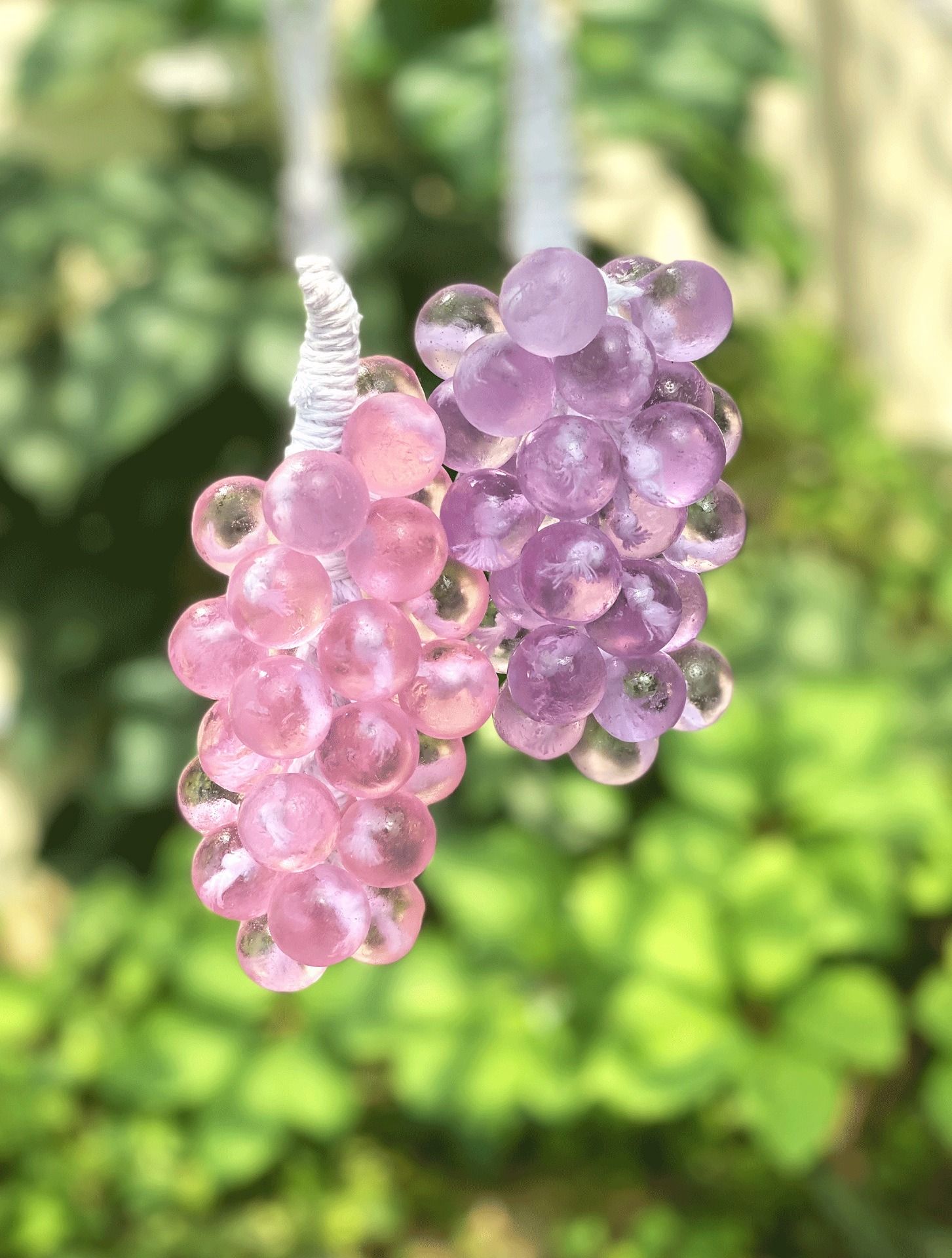
When shopping for handcrafted soap, the first thing most people do is smell the bar. A beautiful scent can turn a simple shower into a relaxing, spa-like experience. However, that lovely scent might be the very thing causing your skin to itch, flake, or break out in a rash.
The truth is, how a soap gets its scent matters immensely for your skin health. Many buyers do not realize there is a massive difference between a soap scented with pure essential oils and one scented with synthetic fragrance oils.
Are essential oils or fragrance oils better for sensitive skin? Essential oils are much safer than fragrance oils for sensitive skin. Distilled from real plants, essential oils contain natural botanical properties. Fragrance oils are synthetic, petroleum-derived chemicals created in a lab. Because synthetic fragrances frequently trigger contact dermatitis, sensitive skin types should strictly stick to essential oils or unscented soaps.
What are Essential Oils? (Nature's True Scents)
Essential oils are pure, highly concentrated plant extracts. They are captured through steam distillation or cold-pressing from leaves, flowers, bark, roots, and fruit peels. Because they come directly from nature, they carry the actual therapeutic benefits of the plant.
For example, lavender essential oil is widely recognized for calming both the mind and irritated skin. Tea tree essential oil contains natural purifying properties. When used in cold-process goat milk soap, these oils provide gentle scent profiles without introducing foreign chemical compounds to your body.
- 100% Plant-Derived: Extracted directly from botanical sources.
- Natural Complexity: Contains only the organic components created by the plant itself.
- Therapeutic Value: Offers holistic benefits, from relaxation to skin-soothing support.
What are Fragrance Oils? (The Synthetic Reality)
Fragrance oils are completely man-made in a laboratory. While some may contain a tiny fraction of essential oils, they are primarily built from synthetic chemical compounds, many of which are derived from petroleum by-products.
Because they are engineered in a lab, fragrance oils can mimic scents that do not exist in nature, such as "warm vanilla," "ocean breeze," or "sugar cookie." To make these artificial scents last longer and stick to your skin, manufacturers add chemical fixatives, stabilizers, and solvents—including phthalates—which can easily disrupt dry or compromised skin barriers.
- Lab-Created: Formulated using synthetic chemicals and petroleum derivatives.
- Cheap to Produce: Allows mass-market brands to scent thousands of bars for a fraction of the cost.
- Harsh Solvents: Often contains hidden ingredients to prolong shelf life and scent strength.
Why Fragrance Oils Trigger Eczema and Sensitive Skin
Your skin barrier is a protective shield designed to keep moisture in and irritants out. When you suffer from dry skin, eczema, or psoriasis, that protective barrier is already compromised. It has microscopic cracks that allow external substances to penetrate deeper into the skin layers.
When synthetic fragrance compounds penetrate these cracks, your immune system identifies them as foreign invaders. This triggers an inflammatory response, leading to redness, itching, and dry patches. This is known as allergic contact dermatitis, and synthetic fragrance is one of the leading causes of this condition worldwide.
Essential Oils vs. Fragrance Oils in Soap
To help you understand the differences when reading ingredient labels, here is a direct comparison of the two scenting methods:
| Feature | Pure Essential Oils | Synthetic Fragrance Oils |
|---|---|---|
| Source | 100% natural plants and botanicals | Synthetic laboratory chemicals |
| Skin Irritation Risk | Low (when properly diluted) | High (common trigger for eczema and rashes) |
| Scent Profiles | Earthly, herbal, citrusy, floral | Unlimited (ocean, bakery, perfume duplicates) |
| Environmental Impact | Biodegradable and eco-friendly | Bioaccumulative; synthetic chemicals wash into waterways |
| Cost to Maker | High (especially rose, chamomile, or sandalwood) | Very Low |
How to Spot "Greenwashing" on Soap Labels
Many commercial brands use clever marketing to make synthetic soaps look natural. They may put pictures of fresh flowers on the box, but a quick look at the ingredient list reveals a different story. To protect your skin, look out for these labeling tricks:
- Watch out for "Fragrance" or "Parfum": Legally, companies do not have to disclose the ingredients in their fragrances. A single word like "Fragrance" can represent a cocktail of over a hundred synthetic chemicals.
- Look for Botanical Names: High-quality, natural soaps will list the exact botanical names of the oils used. For example, you should see Lavandula angustifolia instead of just "Lavender Fragrance."
- Avoid Fantasy Scents: If a soap claims to smell like "fresh rain," "cucumber melon," or "creamy vanilla," it is almost certainly scented with synthetic fragrance oils. True vanilla extract is too delicate to survive the traditional saponification process of soapmaking.
Unscented vs. Scented: Making the Best Choice for Your Skin
We believe in a highly direct, honest approach to skincare. If your skin is currently flaring up, highly reactive, or experiencing severe eczema, your best choice is to go completely **unscented**. Our unscented goat milk soap bars provide pure, soothing moisture without any risk of fragrance-induced contact dermatitis.
Once your skin barrier has healed and stabilized, you can gradually introduce soaps scented with gentle, pure essential oils like lavender, cedarwood, or sweet orange. By keeping synthetic chemicals off your body, you allow your skin to naturally heal, breathe, and retain its protective moisture.