They are scrubbing their scars with harsh chemical treatments. This only creates more inflammation and makes the scar darker. Let's fix your routine today and look at safe, effective methods.
Understanding How Scars Heal
Scars are your body's natural way of repairing damaged skin. When you get a cut or severe acne, your body rushes collagen to the area to patch the wound.
Sometimes, it produces too much collagen, leaving a raised mark. Other times, the trauma leaves behind dark hyperpigmentation that lingers for months.
- Hyperpigmentation: Flat, dark brown or red spots left after acne or a minor scrape.
- Atrophic Scars: Sunken areas where underlying tissue was lost.
- Hypertrophic Scars: Raised, thick tissue that sits above the normal skin level.
Chemical Scar Treatments vs Natural Soap
Dermatologists often prescribe chemical creams to bleach dark scars. These products usually contain hydroquinone or heavy synthetic acids. I strongly advise against using these for daily body care.
Chemical treatments strip your natural moisture barrier. This leaves your healing skin exposed to sun damage, which actually darkens the scar permanently.
Why Goat Milk Soap for Scars Works
You need a gentle approach to achieve a lasting, even skin tone. Goat milk is naturally packed with alpha-hydroxy acids (AHAs), specifically lactic acid.
- Lactic acid breaks down the bonds between dead, pigmented skin cells.
- It encourages healthy cellular turnover without physical scrubbing.
- The high Vitamin A content directly supports new skin tissue repair.
Comparing Scar Treatment Options
Here is a direct look at what you are putting on your healing skin. Do not risk permanent damage for a fast, artificial fix.
| Feature | Chemical Scar Creams | Ami Soap Cold-Process |
|---|---|---|
| Active Ingredients | Synthetic bleaches, Hydroquinone | Goat Milk (Lactic Acid), Natural Oils |
| Impact on Barrier | Strips natural moisture | Repairs and hydrates |
| Risk of Irritation | High (Redness, peeling, burning) | Very Low (Gentle and soothing) |
| Price | $30 - $80+ | $15 - $25 |
The Best Natural Soap for Scars
Stop wasting money on aggressive treatments. You need a gentle, consistent approach to see real results. Here is exactly what you should use based on your skin's condition.
1. Fading Dark Spots and Acne Scars
If you have flat, dark marks left over from body acne or insect bites, you need gentle exfoliation. You cannot scrub these away with a rough loofah.
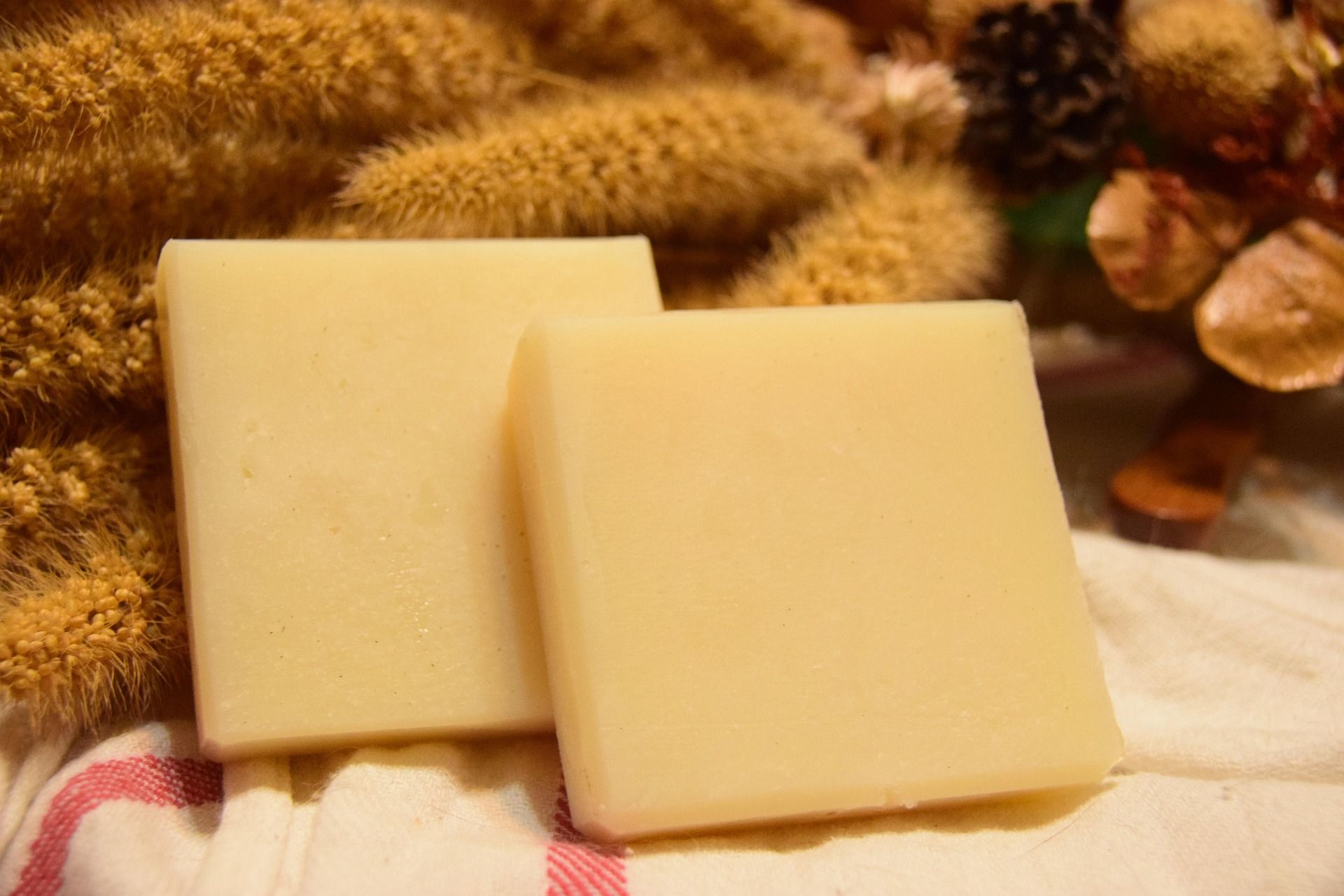
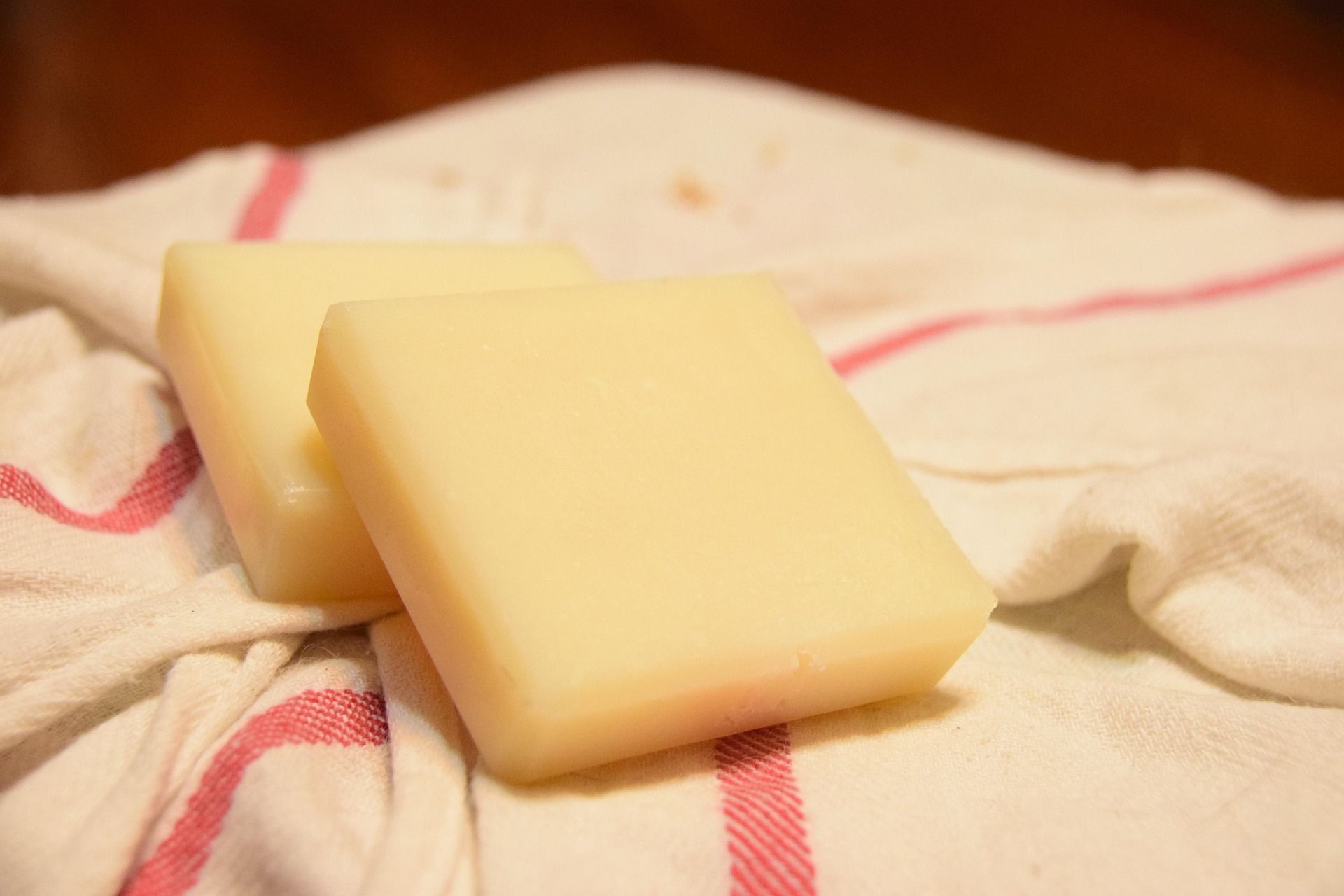
My Recommendation: Use the Ami Soap Brightening Goat Milk Soap. Its main selling point is the high concentration of raw goat milk. It slowly fades dark, pigmented scar tissue using natural lactic acid while keeping the surrounding skin perfectly hydrated.
2. Healing Fresh or Sensitive Scars
If your scar is still new, red, or easily irritated, you cannot use any exfoliants yet. You must protect the moisture barrier first to prevent a raised scar from forming.
My Recommendation: I highly recommend the Ami Soap Tawfiq Grape-Shaped Amino Acid Soap. Its main selling point is its ultra-gentle, pH-balanced formula. It cleanses the damaged area without stripping away natural oils, allowing the tissue to heal naturally.
Fading a scar takes time. Treat your body with respect and use natural ingredients that actually support your skin's healing process.