As a professional sound therapist and wellness expert, I know that relaxation starts with how you treat your body, not just what you hear. For many of my clients, a peaceful routine begins in the shower. If you have sensitive skin, switching to an amino acid soap base is the best decision you can make for your daily comfort.
Why Traditional Soaps Leave You Feeling "Tight"
Traditional soaps are typically made through a saponification process that results in a high pH level (usually between 9 and 10), which is highly alkaline. This strips away the skin’s natural acid mantle, leading to that uncomfortable dryness, tightness, or redness after washing.
An amino acid soap base changes the chemistry of cleaning. It utilizes surfactants derived from natural sources like glutamate or sarcosinate—the same building blocks found in your own skin. It boasts a skin-neutral pH of 5.5, offering a gentle touch that mimics your skin’s natural composition.
Amino Acid Soap vs. Glycerin Soap: A Functional Leap
Many beginners confuse these two because both can be transparent. However, the difference in skincare functionality is massive:
| Feature | Amino Acid Soap Base | Standard Glycerin Soap |
| pH Level | 5.5 (Skin Neutral) | 8.5 – 10.0 (Alkaline) |
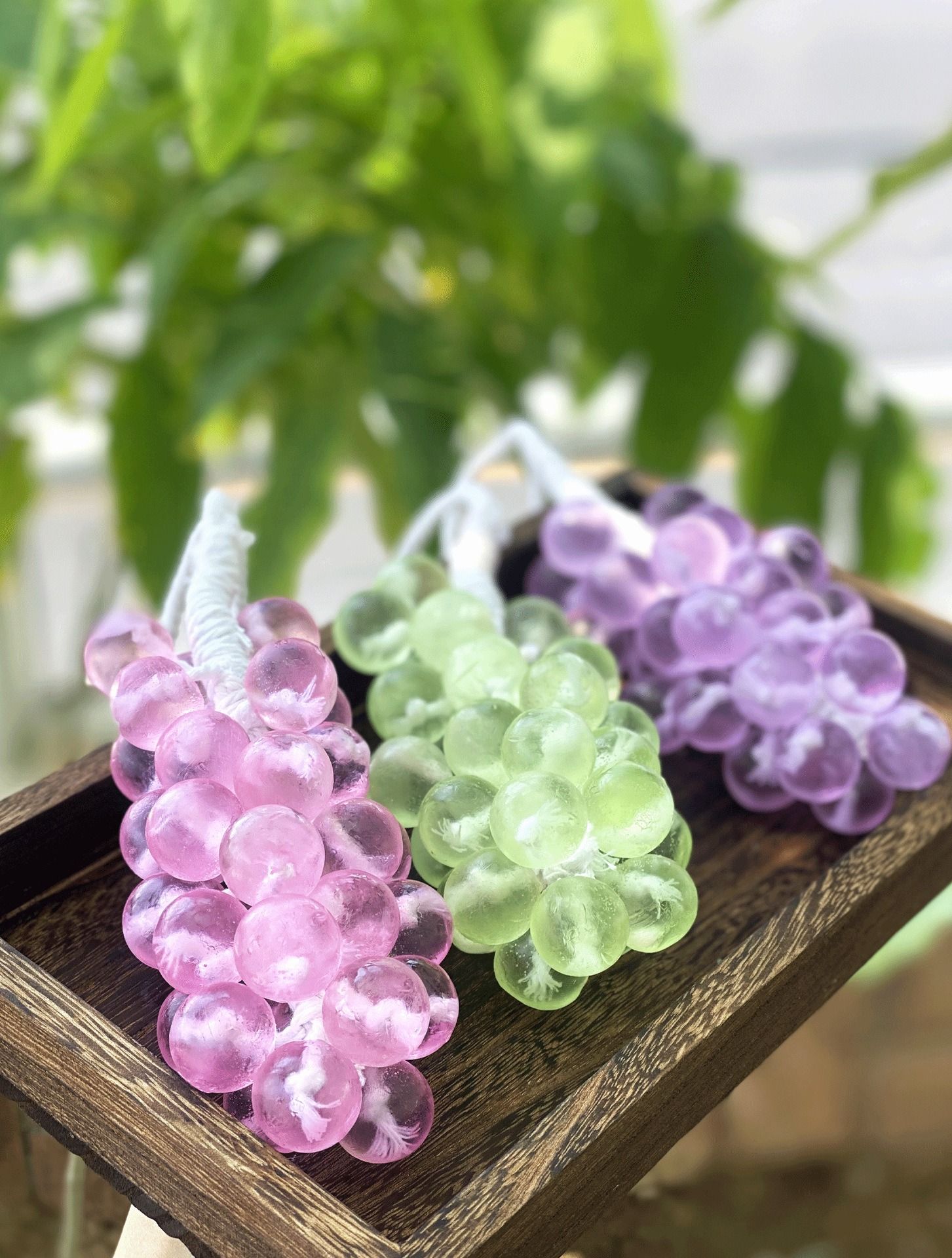
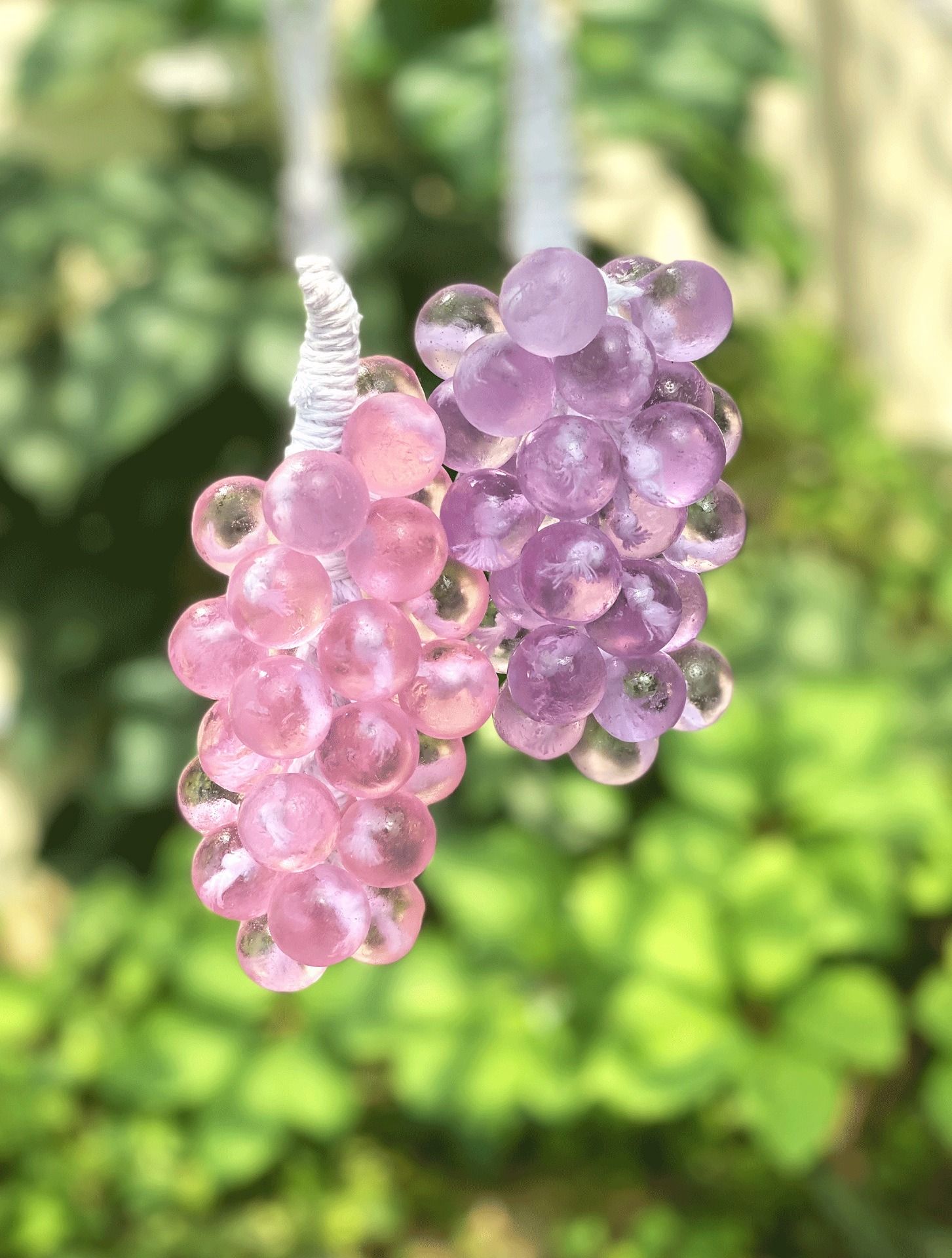
| Transparency | Extreme (Glass-like) | High (Often slightly yellow) |
| Skin Feel | Silky, Dewy, and Supple | Squeaky Clean, often Tight |
| Category | Premium Skincare Material | Affordable Craft Material |
Is Amino Acid Soap Good for the Face?
The short answer is: Absolutely. In fact, the skin on your face is thinner and more delicate than on your body. Using a pH 5.5 bar prevents the disruption of the skin barrier, helping to avoid breakouts and irritation. It is the ideal choice for a facial cleanser in solid form.
Benefits for Relaxation and Wellness
A healthy hygiene routine is vital for letting the nervous system rest. When your skin isn't irritated, your mind can truly settle:
Mild Cleansing: It removes dirt without stripping away essential lipids.
Moisture Retention: Amino acids are natural humectants that help hold water in the skin.
Sensory Experience: These soaps produce a fine, dense foam that feels like silk. This tactile experience is a key component of stress relief.
Tips for Making Amino Acid Soap at Home
Learning how to work with an amino acid base is slightly different from standard melt-and-pour soaps. Because the material is more delicate, heat management is crucial:
Temperature Control: We recommend melting the base at a steady 75°C (167°F) to maintain its crystal-clear transparency.
Customization: Once liquid, you can add skin-safe essential oils or dried botanicals. Because of the base's extreme clarity, any embedded elements will look like they are frozen in glass.
Final Pro Advice
If you have chronically dry skin or live in a hard-water area, stop using traditional alkaline soap immediately. Switch to an amino acid-based product. Within seven days, you will notice a physical difference in your skin's texture—moving from "squeaky" to "supple." That softness is the true mark of healthy, relaxed skin.